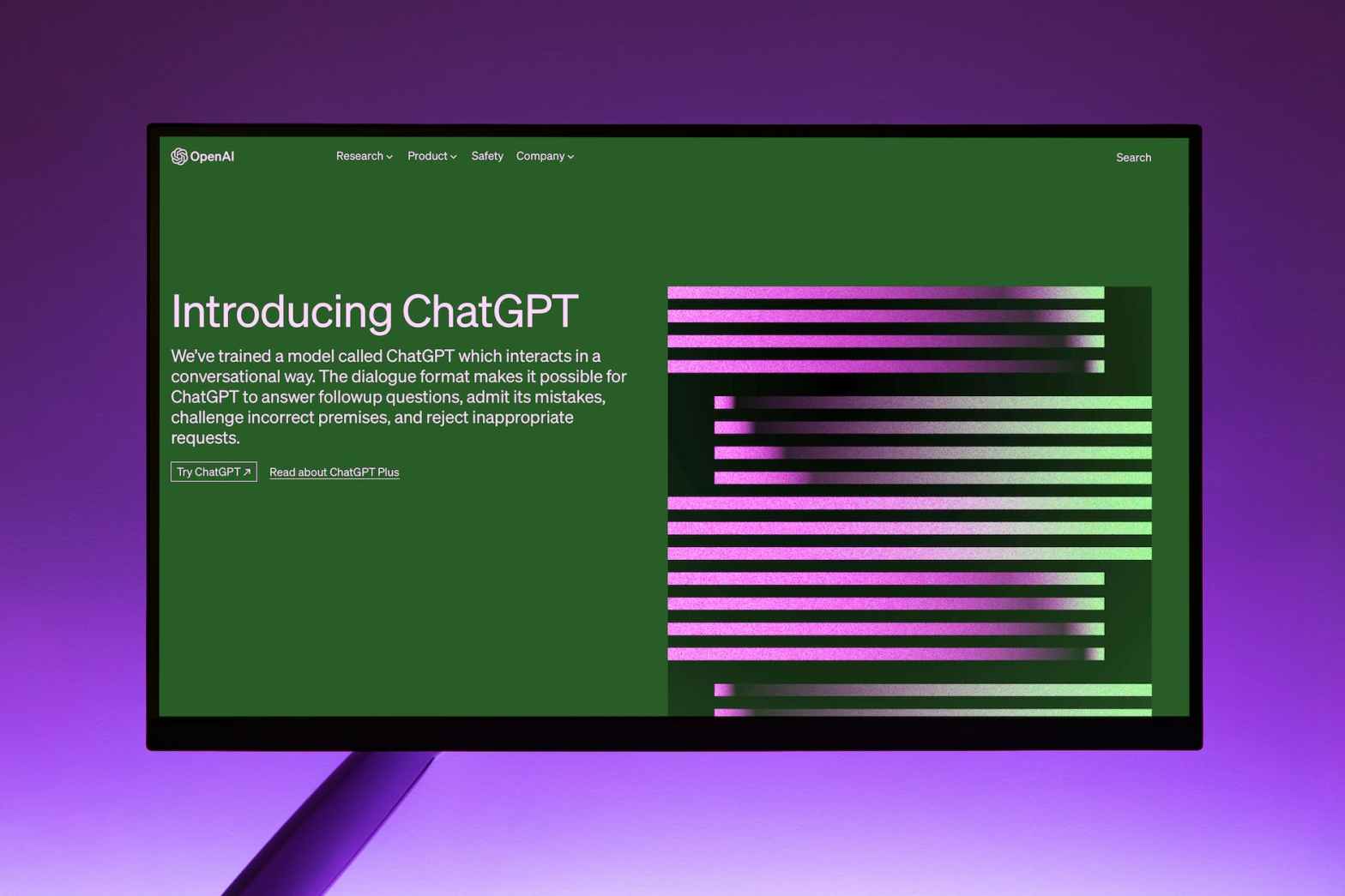
In the rapidly evolving field of artificial intelligence, the acronym ‘GPT’ has become ubiquitous, referring to a class of advanced language models. GPT stands for Generative Pre-trained Transformer, a revolutionary technology that has transformed the way we interact with AI systems. Developed by OpenAI, GPT has paved the way for numerous innovative applications and holds great potential for the future.
Generative Pre-trained Transformer (GPT) Defined:
GPT stands for Generative Pre-trained Transformer, a unique blend of concepts in artificial intelligence. The term ‘generative’ signifies that GPT is capable of generating new content, such as text, images, or even music. ‘Pre-trained’ highlights the process by which GPT learns from vast amounts of data before being fine-tuned for specific tasks. Lastly, ‘Transformer’ refers to the underlying architecture that allows GPT to understand and generate coherent and contextually relevant responses.
How GPT Works:
GPT leverages deep learning to extract patterns and relationships from text data, enabling it to understand and respond to user inputs effectively. During the pre-training phase, GPT learns from massive amounts of text from the internet or other sources, gaining a comprehensive understanding of language and knowledge. It then fine-tunes this pre-trained knowledge on specific tasks, such as translation, summarization, or answering questions.
Applications of GPT:
GPT’s versatility has led to numerous applications across various domains. One of the most prominent uses is in natural language processing (NLP). GPT can comprehend and generate contextually appropriate responses, making it invaluable for chatbots, virtual assistants, and customer support systems. In addition, GPT has proven effective in machine translation, content summarization, sentiment analysis, and even creative writing.
Benefits and Advancements:
GPT has brought several notable advancements to the field of AI. Firstly, it has significantly improved the naturalness of AI-generated text, making conversations with AI models more seamless and human-like. Moreover, GPT has made AI models more adaptable, as they can be fine-tuned for specific tasks, reducing the need for separate models for different purposes. GPT has democratized AI development, as it allows researchers and developers to enhance their own applications by leveraging the power of pre-training.
Limitations and Challenges:
Despite its remarkable capabilities, GPT does have limitations. Presently, GPT lacks a reliable method to verify the factual accuracy of generated responses, making it prone to providing incorrect or misleading information. This limitation poses challenges for applications that require precise and reliable information, such as medical diagnosis or legal advice. However, ongoing research and development aim to mitigate these challenges and improve GPT’s accuracy and reliability.
Conclusion
In conclusion, GPT, or Generative Pre-trained Transformer, has revolutionized the field of artificial intelligence. By leveraging deep learning and pre-training on vast amounts of text data, GPT has demonstrated exceptional abilities in generating contextually relevant and coherent responses. Its versatility has fueled applications in areas like NLP, translation, summarization, and more. While GPT presents certain limitations in terms of factual accuracy, ongoing advancements are expected to address these challenges. As we continue to explore the potential of AI, GPT remains at the forefront, driving innovation and enabling AI systems to better understand and interact with humans.

 Chibzy Tech Blog