Table of contents
- Introduction
- Geoffrey Hinton’s Claims on Killer Robots
- Why is Putin in The Mix?
- Future of Battle Robots
- Conclusion
Introduction
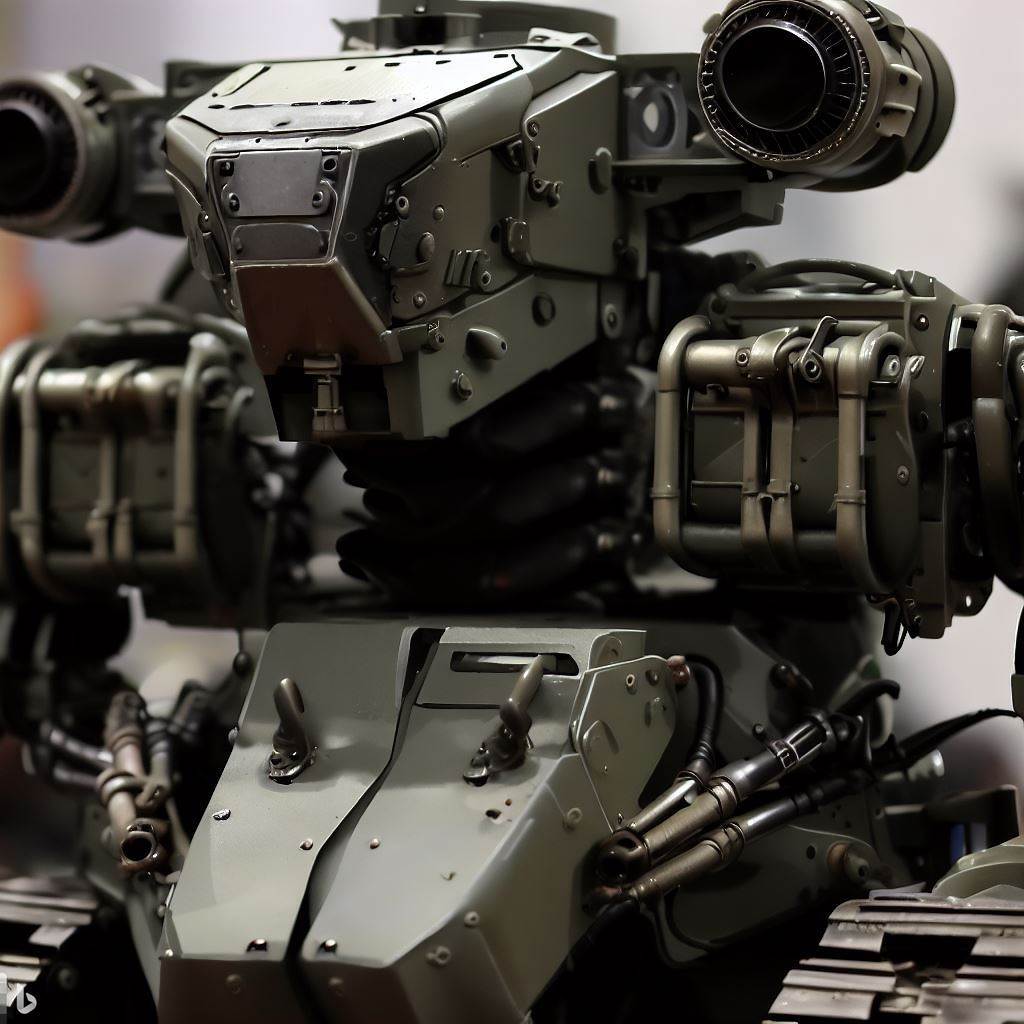
The race to create battle robots has taken a dangerous turn as AI pioneer Geoffrey Hinton claims that these killer machines are already in production. This raises serious concerns about the potential harm they could cause in the wrong hands. In addition, it’s been suggested that Russian President Vladimir Putin could use these robots to gain an advantage in times of war, making it easier for him to engage in conflict. In this blog, we explore the implications of Hinton’s claims and the need for regulation as we move into a world where war could be fought entirely by robots.
Geoffrey Hinton’s Claims on Killer Robots
It seems like every time we turn on the news, the world gets scarier. So, it may not come as a surprise that Geoffrey Hinton, one of the biggest names in artificial intelligence, has some disturbing news to share.
Who is Geoffrey Hinton, you ask? Only one of the most prominent researchers in machine learning in the world, with more than 200,000 citations to his name. So, when he recently claimed that there are killer battle robots already in production, everyone took notice.
The implications of these claims are staggering. These robots can be used in war, and Hinton points out that they make it even easier for someone like Putin to wage a battle. Yes, you heard that right.
But where are these robots being made? That’s the kicker – we don’t really know. Hinton isn’t naming names. However, what is clear is that there is a huge potential for these robots to be used in unethical ways.
The world is changing at a rapid pace, and we must stay mindful of the fact that it’s not always in the best interests of humanity. Hinton’s claims should serve as a wake-up call for all of us to think about the possible consequences of our actions.

Why is Putin in The Mix?
It’s not exactly a secret that technology has been advancing at an unprecedented pace, particularly when it comes to robotics. However, recent claims made by Geoffrey Hinton, a prominent computer scientist and AI expert, have shocked many. According to Hinton, killer battle robots are already in production and, to make matters worse, they’re making it easier for Putin to go to war.
So, what is the connection between these robots and Putin? Well, for starters, these robots could provide Putin with a significant military advantage. When it comes to war, having access to advanced weapons technology could be the difference between victory and defeat. If these robots really are as powerful and deadly as Hinton claims, then Putin could use them to devastating effect.
Why is it easier to go to war with these robots, though? Well, as anyone who has seen a Hollywood blockbuster can tell you, robots don’t have emotions. They don’t feel fear, they don’t feel pain, and they don’t get tired. As a result, they can be sent into battle without any fear of harm coming to them, which could make going to war a lot easier for those in power.
Of course, as with any new technology, there are potential implications to consider. In the wrong hands, these robots could be used to carry out acts of terror or destruction on a catastrophic scale. Even if they’re only used by world leaders in the context of traditional warfare, the results could be devastating. After all, these robots are designed to kill, and they don’t discriminate between combatants and civilians.
The future of battle robots is still uncertain, but one thing is clear: regulation may be necessary. In order to prevent the misuse of these deadly machines, governments and international bodies will need to work together to establish strict guidelines for their manufacture and deployment. Whether or not this will happen remains to be seen, but one thing is clear: the world is changing, and we need to be ready for whatever the future may bring.
Future of Battle Robots
The future of battle robots is both exciting and concerning. The impact of advanced artificial intelligence combined with the capability of killing machines is unimaginable. While these robots are being developed to reduce human casualties in war, the threat of autonomous weapons falling into the wrong hands cannot be ignored. Regulation needs to be put in place to ensure ethical use of these robots in times of conflict. Fortunately, there are international efforts to ban autonomous weapons, and the UN has called for strict rules to govern their development and use. As we continue to develop cutting-edge technologies, it’s essential to balance progress with responsibility. Let’s hope we don’t end up in a dystopian future where robots rule over humans, and wars are fought without any human intervention.
Conclusion
In a world where killer battle robots are already in production, the potential consequences are dire. We need to be proactive and ensure ethical regulations.

 Chibzy Tech Blog