
Artificial intelligence (AI) is transforming the gaming industry, enabling developers to create more immersive and realistic games that can adapt to the players’ actions and preferences. AI can enhance various aspects of game design, such as graphics, audio, narrative, gameplay, and user experience. In this article, we will explore some of the ways that AI can be used to create engaging and dynamic games, as well as some of the challenges and opportunities for the future of AI in gaming.
Graphics
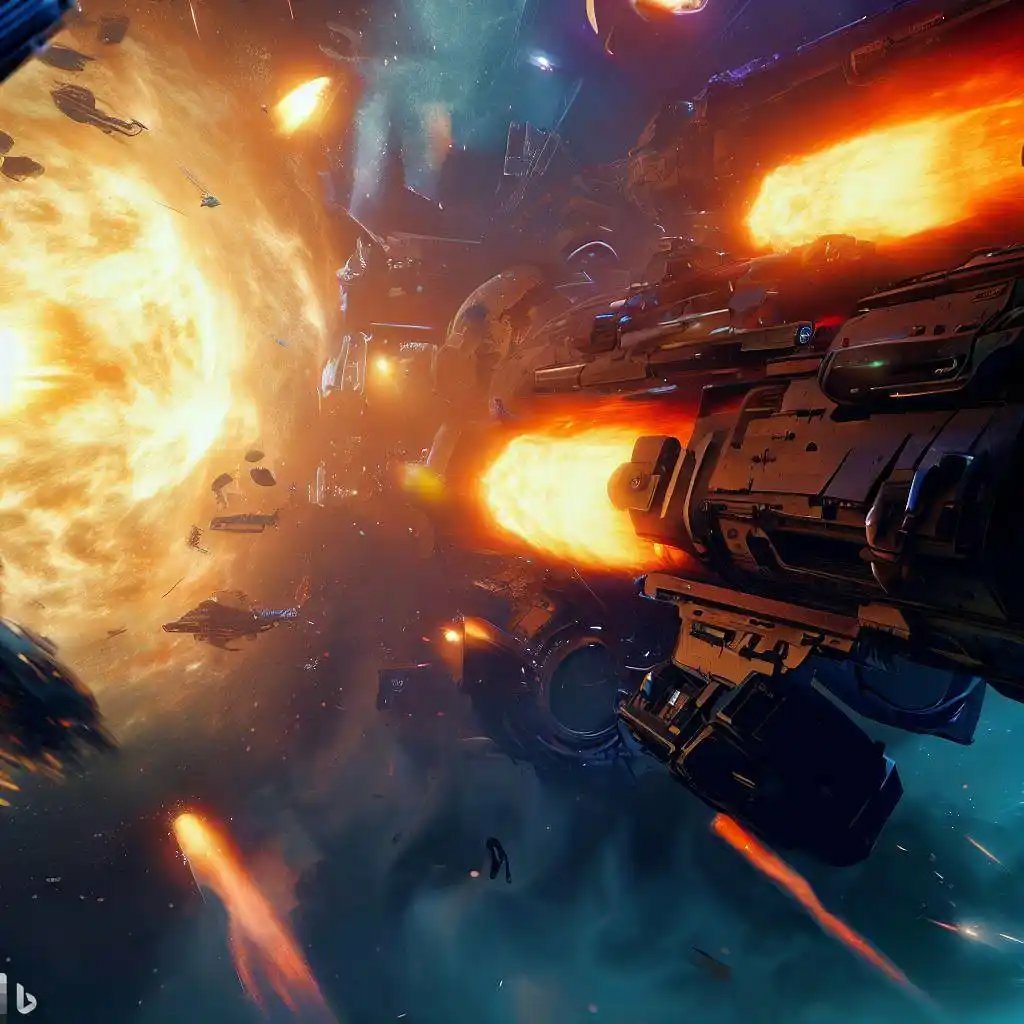
One of the most visible applications of AI in gaming is graphics, which refers to the visual representation of the game world and its elements. AI can help generate realistic and diverse graphics that can respond to the game environment and the player’s input. For example, AI can be used to:
- Create procedural content, which is content that is generated algorithmically rather than manually by human artists. Procedural content can include landscapes, buildings, textures, characters, and animations. Procedural content can save time and resources for developers, as well as provide more variety and replay value for players. Some examples of games that use procedural content are Minecraft¹, No Man’s Sky², and Horizon Zero Dawn³.
- Enhance the quality and realism of graphics using techniques such as super-resolution, ray tracing, and neural rendering. Super-resolution is a process that increases the resolution of an image or a video using AI algorithms. Ray tracing is a technique that simulates the behavior of light rays in a scene, creating realistic shadows, reflections, and refractions. Neural rendering is a technique that uses neural networks to synthesize photorealistic images or videos from low-quality or incomplete data. Some examples of games that use these techniques are Control⁴, Cyberpunk 2077⁵, and Death Stranding.
Audio
Another important aspect of game design is audio, which refers to the sound effects, music, and voice acting that accompany the game visuals. AI can help create adaptive and expressive audio that can match the mood and context of the game. For example, AI can be used to:
- Generate dynamic music, which is music that changes according to the game state and the player’s actions. Dynamic music can create a more immersive and emotional experience for players, as well as provide more variety and flexibility for composers. Some examples of games that use dynamic music are Super Mario 64⁷, Red Dead Redemption 2, and Doom Eternal.
- Synthesize realistic sound effects, which are sounds that represent the actions and events that occur in the game world. Sound effects can enhance the realism and feedback of the game, as well as provide clues and hints for players. AI can be used to synthesize sound effects from scratch or from existing data, using techniques such as physical modeling, granular synthesis, and neural networks. Some examples of games that use synthesized sound effects are Half-Life: Alyx, Star Wars Jedi: Fallen Order, and Ghost of Tsushima.
- Produce natural voice acting, which is speech that represents the dialogue and narration of the game characters. Voice acting can convey the personality and emotion of the characters, as well as provide information and guidance for players. AI can be used to produce voice acting from text or from existing audio samples, using techniques such as text-to-speech (TTS), speech synthesis, and voice cloning. Some examples of games that use AI-generated voice acting are The Elder Scrolls V: Skyrim, Fallout 4, and Cyberpunk 2077⁵.
Narrative
Narrative is another key element of game design, which refers to the story and plot that drive the game progression and motivation. AI can help create interactive and emergent narratives that can adapt to the player’s choices and actions. For example, AI can be used to:
- Generate branching dialogue, which is dialogue that offers multiple options for the player to choose from when conversing with a game character. Branching dialogue can create a more personalized and engaging experience for players, as well as provide different outcomes and consequences for the game story. Some examples of games that use branching dialogue are Mass Effect, The Witcher 3: Wild Hunt, and Detroit: Become Human.
- Create dynamic quests, which are tasks or objectives that the player has to complete in order to advance in the game story or world. Dynamic quests can create a more diverse and challenging experience for players, as well as provide more freedom and agency for them. AI can be used to create dynamic quests based on the game state, the player’s profile, or external factors such as time or location. Some examples of games that use dynamic quests are The Elder Scrolls IV: Oblivion, Assassin’s Creed Odyssey, and Middle-earth: Shadow of War.
- Develop adaptive characters, which are characters that can change their behavior, personality, and relationship with the player based on the game events and the player’s actions. Adaptive characters can create a more realistic and emotional experience for players, as well as provide more depth and complexity for the game story. AI can be used to develop adaptive characters using techniques such as reinforcement learning, sentiment analysis, and social simulation. Some examples of games that use adaptive characters are The Sims, Fable, and The Last of Us Part II.
Gameplay
Gameplay is the core component of game design, which refers to the rules, mechanics, and goals that define the game experience. AI can help create innovative and fun gameplay that can challenge and entertain the players. For example, AI can be used to:
- Design intelligent opponents, which are enemies or rivals that the player has to compete or fight against in the game. Intelligent opponents can create a more satisfying and rewarding experience for players, as well as provide more difficulty and variety for them. AI can be used to design intelligent opponents using techniques such as finite state machines, behavior trees, and deep reinforcement learning. Some examples of games that use intelligent opponents are Halo, StarCraft, and AlphaGo.
- Implement smart allies, which are friends or partners that the player can cooperate or interact with in the game. Smart allies can create a more supportive and social experience for players, as well as provide more assistance and feedback for them. AI can be used to implement smart allies using techniques such as goal-oriented action planning, hierarchical task networks, and neural networks. Some examples of games that use smart allies are Left 4 Dead, Uncharted, and GPT-3 Dungeon.
- Generate novel mechanics, which are features or functions that define how the player can interact with the game world and its elements. Novel mechanics can create a more unique and creative experience for players, as well as provide more exploration and discovery for them. AI can be used to generate novel mechanics using techniques such as evolutionary algorithms, generative adversarial networks, and neural networks. Some examples of games that use novel mechanics are Spore, Super Mario Maker, and Angelina.
User Experience
User experience is the final aspect of game design, which refers to the overall satisfaction and enjoyment that the player derives from the game. AI can help improve the user experience by providing personalized and accessible features that can cater to the player’s needs and preferences. For example, AI can be used to:
- Provide adaptive difficulty, which is the level of challenge or complexity that the game offers to the player. Adaptive difficulty can create a more balanced and fair experience for players, as well as provide more motivation and learning for them. AI can be used to provide adaptive difficulty by adjusting the game parameters, such as enemy strength, item availability, or puzzle complexity, based on the player’s performance, skill, or mood. Some examples of games that use adaptive difficulty are Resident Evil 4, Guitar Hero, and Left 4 Dead 2.
- Offer personalized recommendations, which are suggestions or tips that the game gives to the player based on their interests or goals. Personalized recommendations can create a more relevant and helpful experience for players, as well as provide more guidance and feedback for them. AI can be used to offer personalized recommendations by analyzing the player’s behavior, profile, or history, using techniques such as collaborative filtering, content-based filtering, or hybrid filtering. Some examples of games that use personalized recommendations are Netflix Party Games, Steam, and Xbox Game Pass.
- Enhance accessibility features, which are options or tools that the game provides to make it more playable and enjoyable for people with disabilities or impairments. Accessibility features can create a more inclusive and diverse experience for players, as well as provide more comfort and convenience for them. AI can be used to enhance accessibility features by adapting the game interface, input, output, or content based on the player’s needs or preferences. Some examples of games that use accessibility features are The Last of Us Part II, Gears 5, and Microsoft Seeing AI.
Conclusion
AI is a powerful technology that can revolutionize the gaming industry by creating immersive and realistic games that can adapt to the players’ actions and preferences. AI can enhance various aspects of game design, such as graphics, audio, narrative, gameplay, and user experience. However, AI also poses some challenges and opportunities for the future of gaming, such as ethical issues, social implications, artistic expression, and human-AI collaboration.
AI is not only a tool for creating games but also a partner for playing games. As AI becomes more advanced and ubiquitous in gaming, it will also become more human-like and interactive. Therefore, it is important to understand how AI works in gaming and how it affects our gaming experience.
References
(1) AI in Gaming | 5 Biggest Innovations (+40 AI Games) – Engati. https://www.engati.com/blog/ai-in-gaming.
(2) Think, fight, feel: how video game artificial intelligence is evolving. https://www.theguardian.com/games/2021/jul/19/video-gaming-artificial-intelligence-ai-is-evolving.
(3) Artificial Intelligence in Gaming (and 10 AI Games to Know). https://builtin.com/artificial-intelligence/ai-games.
(4) How Artificial Intelligence Can Empower The Future Of The Gaming Industry. https://www.forbes.com/sites/forbestechcouncil/2022/07/13/how-artificial-intelligence-can-empower-the-future-of-the-gaming-industry/.

 Chibzy Tech Blog