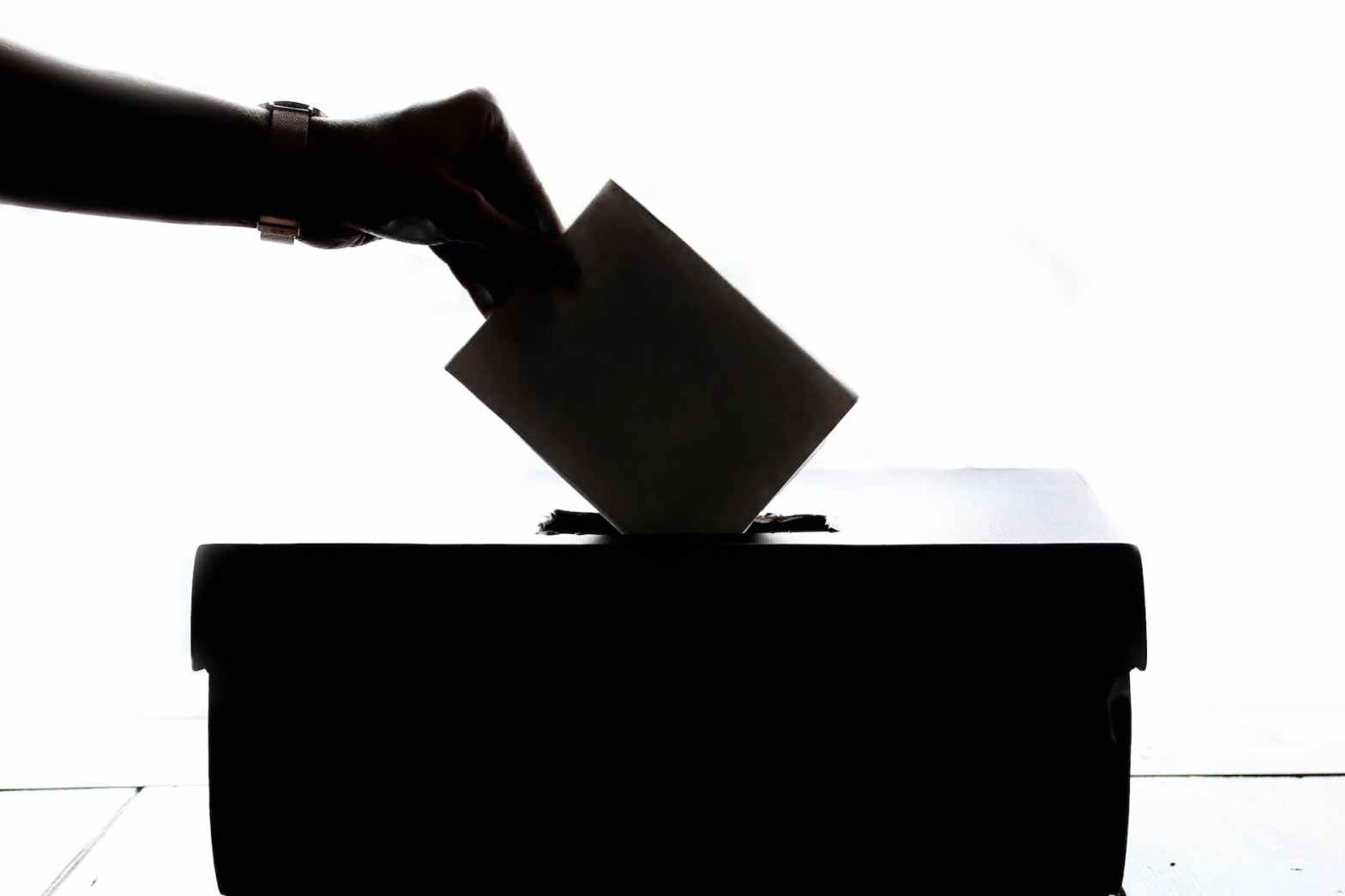
Artificial intelligence has been reshaping numerous aspects of our lives, from the way we communicate to the way we conduct business. However, as AI technology advances, concerns are rising about the potential implications it may have on elections. In particular, the advent of AI-generated images has sparked worries about the veracity and credibility of electoral processes. This article aims to delve into the ramifications of AI-generated images on elections and the need for vigilance in maintaining the integrity of democratic systems.
Here is a brief summary of this post
- AI-generated images can have a significant impact on elections.
- These images can be used to create fake news and misleading propaganda.
- AI-generated images can manipulate public perception and undermine trust in the electoral process.
- They may be employed to spread misinformation, influence voter behavior, and sway election outcomes.
- Addressing the potential consequences of AI-generated images is crucial for upholding the integrity of elections.
The Rise of AI-Generated Images
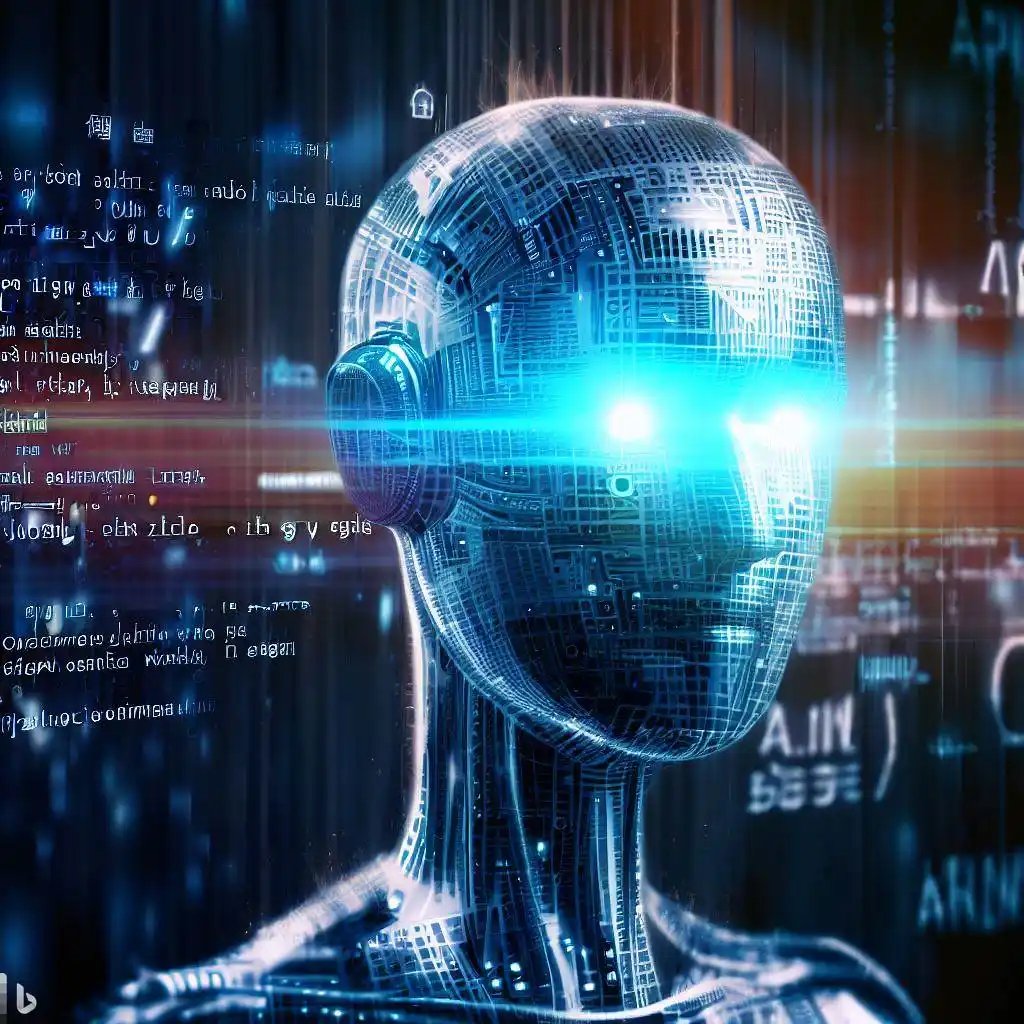
AI-generated images, also known as deepfakes, are digitally manipulated content that convincingly depict individuals saying or doing things they never actually did. These images are created using sophisticated AI algorithms capable of synthesizing realistic visuals that often become indistinguishable from reality. With the rapid advancement of AI technology, the creation and dissemination of such images have become increasingly accessible, leading to concerns about their potential misuse during electoral campaigns.
Misinformation and Manipulation
The foremost concern stemming from AI-generated images is the potential for misinformation and manipulation. Politicians could be targeted with deepfake videos or images that portray them engaging in scandalous or compromising activities. These fabricated visuals can easily go viral, rapidly shaping public perception and ultimately influencing election outcomes. The impact of such disinformation campaigns on the electorate’s decision-making process cannot be underestimated.
Discrediting Authentic Evidence
AI-generated images not only pose a threat to politicians but also to the democratic process as a whole. As the technology advances, the ability to create false evidence, including forged documents, manipulated images, or videos, becomes more sophisticated. This can erode the trust in genuine evidence and impartial reporting, leading to widespread cynicism and confusion. When the lines between truth and fiction blur, the integrity of elections is fundamentally undermined.
Challenges for Fact-Checkers
Given the scale and speed at which AI-generated images can be created and disseminated, fact-checkers face an uphill battle in detecting and debunking deepfakes. Traditional mechanisms of fact-checking may struggle to keep up with the rapidly evolving advancements in AI technology. The spread of false narratives can occur before authenticating bodies can verify their accuracy, leading to lasting distrust among the public.
Safeguarding Electoral Integrity
To combat the potential harm caused by AI-generated images, proactive measures must be taken. Firstly, significant investments in research and development are necessary to enhance detection technologies, enabling faster and more accurate identification of manipulated content. Policymakers and technology companies must collaborate to set up robust frameworks and regulations to address the growing threat of disinformation campaigns.
Additionally, raising public awareness about the existence and potential impact of AI-generated images is crucial. By educating the electorate about the risks, individuals can become more discerning consumers of information and less susceptible to manipulation. Moreover, strengthening media literacy programs and promoting digital citizenship will enable voters to critically evaluate the credibility of sources.
Conclusion
AI-generated images present significant challenges to the integrity of electoral processes worldwide. The rapid advancement of AI technology calls for immediate attention to mitigate the risks posed by deepfakes. The potential for misinformation, the discrediting of genuine evidence, and the challenges faced by fact-checkers highlight the urgent need for collaborative efforts between technology companies, policymakers, and the public to safeguard the democratic foundations upon which our societies are built. Only by staying vigilant and proactive can we ensure that elections remain fair, transparent, and unquestionably democratic.
References:
1. NewsBytes. AI-generated images may impact elections. Here’s why. Available at: [Link]
2. Robots.net. How will AI-generated images impact elections? Available at: [Link]
3. TechCrunch. (2023, September 8). How badly will AI-generated images impact elections? Available at: [Link]

 Chibzy Tech Blog